

the triangle framework to pick a camera
and a recap of my last live workshop

Hi there, hope you’re well, writing to you from summer vacation - check out this trout I caught!

In today’s email:
1️⃣ a framework to decide on a daily carry camera
2️⃣ how last week’s live workshop in Seattle went
3️⃣ things I liked from photographers around the world
1️⃣the “what camera should I carry” triangle
Today I want to break down the concept of an everyday carry camera and a framework for how to pick one.
Why is it important? Let’s listen to some of the greats:
the legend Chase Jarvis literally wrote a book called the best camera is the one that’s with you. Fun fact, he built something really similar to Instagram back in 2009.
Another legend, Joe Greer, carries a Leica M6 so frequently they got him to endorse the reissue - see below for yourself.
So, what camera is that for you? Let’s use the framework.
In it, there are three boxes to check, and the more a camera checks, the more likely it is to make it out the door with me/you/whoever.
BEFORE we start, if you prefer watching to reading: Here’s a video that explains the whole thing.
If you prefer reading, here we go.
Box 1 - Do I like the pictures it takes?
Quite simple. If we don’t like the end product, the actual photographs the camera makes, we are less likely to use it.
Box 2- Do I like the experience of using it?
If you don’t enjoy the act of making a photograph with a certain camera, that is a real problem, because you’ll use it less.
This is precisely why I may never be a Fuji guy. I do not enjoy the experience of using one. The dials and menu system are unintuitive to me.
So, despite the image quality, it frustrates me and I end up not using it. I have an X100V with a criminally low shutter count sitting in a drawer gathering dust for that reason.
Box 3 - Am I okay with carrying it?
How does it feel to be out and about with?
My Contax G1 takes wonderful pictures, and I like shooting with it, but that shiny hunk of champagne-colored metal was expensive and it’s super eye-catching, so it makes me nervous setting it down on a restaurant table.
On the flip side, I have no problem setting a little plastic point-and-shoot down on a table at a restaurant or a bar, or letting it hang on my neck strap when I’m out for a walk. That just feels normal to me.
So now, let’s score a couple of cameras I often carry with the framework:
Film: Yashica T3
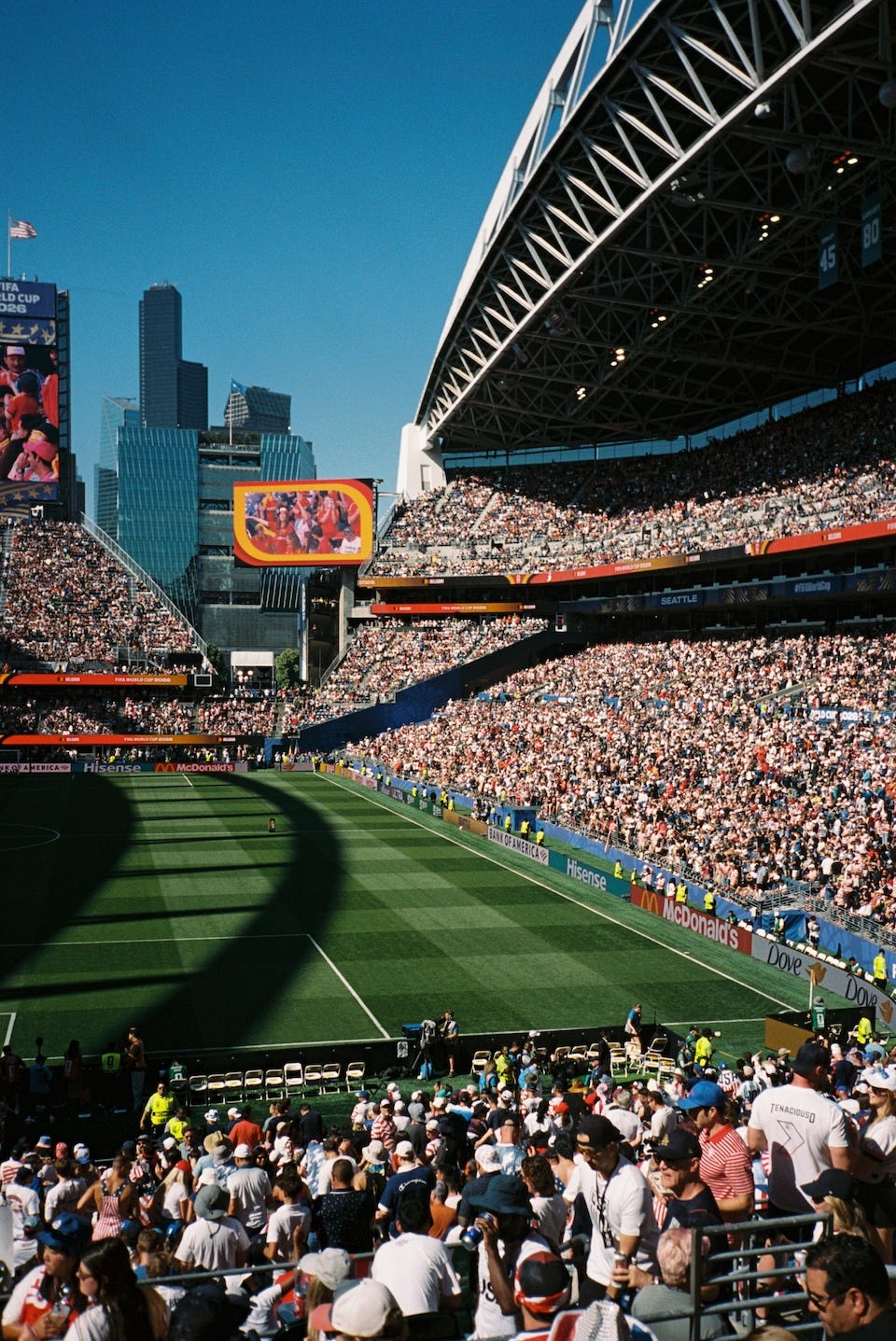
This is one of my go-to cameras. if I’m carrying something besides my phone, it’s often this. Let’s see how it scores on the framework:
Do I like the pictures it takes? Yes. Great colors, autofocus rarely misses, super crisp 35MM scans, flash works great.
Do I like the experience of using it? For sure. Dead simple to shoot with. Quick to get a picture. Flash memory could be longer, but that’s a nitpick.
Am I okay with carrying it? Absolutely. Black plastic, looks unassuming. It’s a bit big, but I wear it around my neck and it’s totally fine. I wish they were a bit more durable, already broken one.
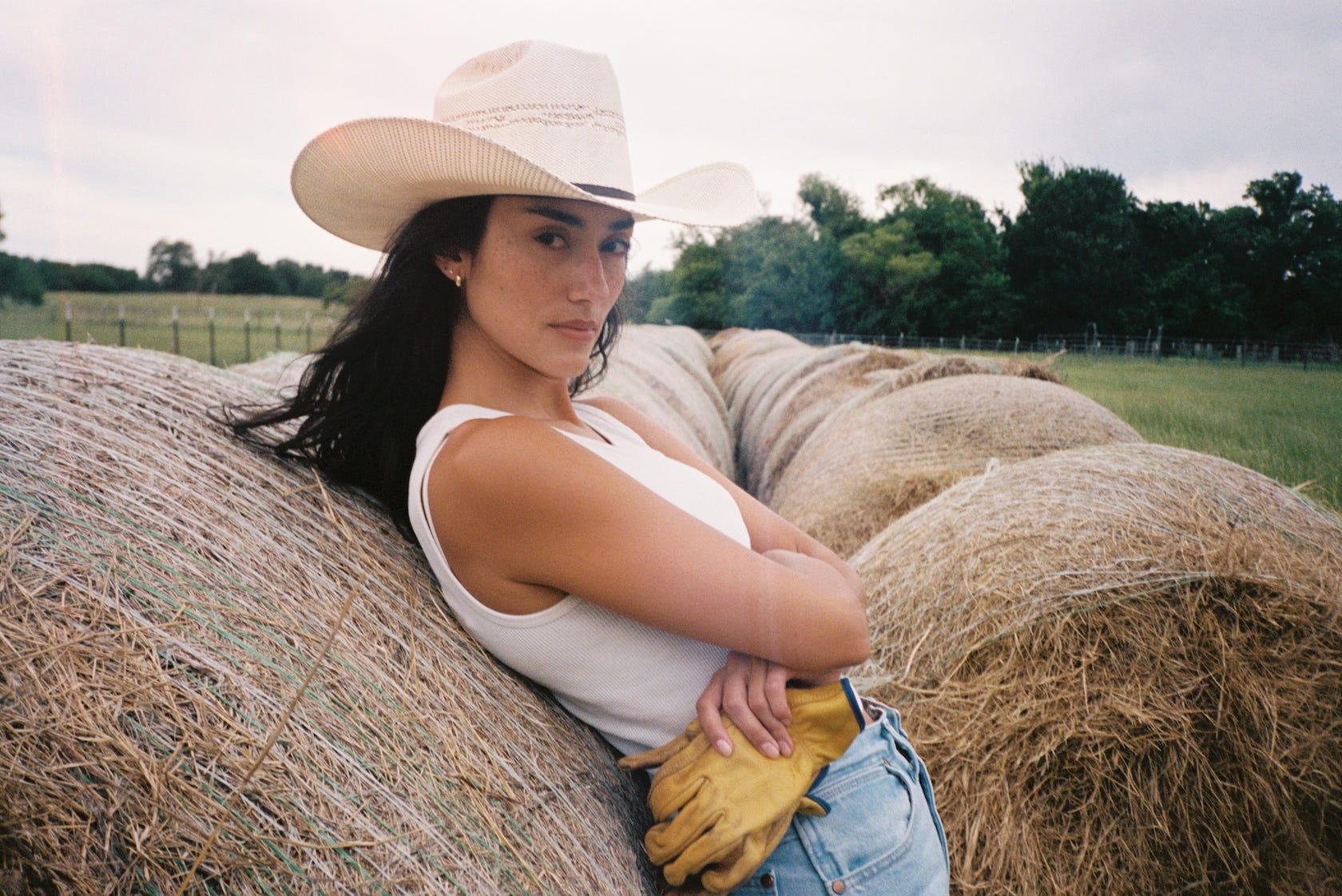
So, it’s 3 for 3 despite a few flaws, and thereby is always a contender for daily carry.
Digital: Ricoh GRIV HDF
This one’s really new to me.
Despite the hype, I stayed away from this camera’s predecessor for a while for one reason: no flash. Not having a flash on the body felt like a complete deal breaker. It’s why I went with the older Sony A6400 ages ago instead of a newer model, and why I wanted to test the Fuji X100V. Flash is something I love to use, so a camera without it was a dealbreaker for years.
But I’d seen such good results out of the Ricoh GR III for so long that when they finally made the GR IV — and made it in the HDF model, which has a built-in mist filter, essentially a Tiffen Black Pro-Mist quarter strength — I just wanted to try it. The camera shop here has a return policy, so if I didn’t like it I could always take it back. I liked it straight from the jump.
Image Quality: Pretty good. I am still learning how to get the best results with it but so far real solid.
Experience: Great. Dead simple to shoot with. I like the exposure comp rocker. Reminds me in some ways of shooting with a Sony.
Carrying it: Perfect. It’s so little! Doesn’t attract a ton of attention.

So it’s at least a 2.5 out of 3, and it may become a 3 sooner or later. It thereby makes the cut, too.
Recap
That’s my current one-two punch, and a way for you to evaluate for yourself.
The more you carry a camera with you, the more opportunities you have to get a good photo.
So you want whatever your camera is to meet at least 2, if not 3 of the above criteria.
Last word: These aren’t recommendations for you to go out and buy either of these cameras, they’re just what I like.
Hope it helps.
2️⃣ next, a recap of how my latest workshop went in Seattle
I got to host my second photo workshop with Glazer’s Camera in Seattle week before last and it was super fun. We sold all 40 tickets, here’s a video and some photos about what it was like:
Now, more than ever, I am a big believer in creating opportunities to get people together in real life. My hope is that this is just the beginning, because getting together with other photographers has been a really rewarding part of 2026.
3️⃣ things I liked from photographers around the world
Great work & and an excellent bit from Josy
Dug this from Schon magazine
and a lovely campaign for Guest in Residence
💪ways to do more/work together:
Lightroom presets are available, both free and paid, here
I’m taking on a client or two, email me here if interested
Brands here in the Pacific Northwest looking for another photographer
Photographers who want some help, I.e. portfolio/social reviews or shoot planning
Y’all have a good weekend,
Garrett