

The niche down industrial complex
And why it’s your call

“People die and planets turn and empires rise and fall and burn
Nothing lasts and no one stays, you just spiral off into outer space
Never seen a sky so full of stars, makes me wonder where you are
I'll be out here on my own
Just a rattling bag of bones”
Lord Huron - Bag of Bones
I want to address a piece of advice many photographers get: You have to niche down.
What I’m gonna tell you today: It’s your choice. What’s right for somebody else might not be right for you.
Look, we’re all trying to figure this thing out, man. Being an artist is hard. It just is. The path of any artist is never perfectly defined and it sure ain’t for the faint of heart. Yours is not mine, mine is not yours, they might have similarities and we may go through the same heartache and feel the same frustrations, but there’s never gonna be perfect overlap.
So when I hear some photographer tell me that they got advice they need to be just a wedding photographer or only shoot cars or niche down into only studio portraits, my observation is that can be great advice for some, but it isn’t right for everyone.
We all have moments early in our journeys, where we’re taking pictures of a wide range of stuff. This is a good thing, it’s how we learn, it’s part of the process. I tried photographing nightlife, concerts, a few family portraits, etc, and those experiences helped me identify that those aren’t for me. I can safely say that’s not a part of what I want to do, and that’s okay.
My belief, take it for what you will: A niche is most practical when you treat it as a home base that you own, it’s the core of what you do, but you can come and go from time to time when something calls your name.
Paul Weaver, a tremendously talented photographer in Miami & one of the founders of a program I recently signed up for called The Freelance Photographer (not sponsored), has one of the best stances I’ve found on the topic. So far, I’m learning the approach is less about niche and more about positioning. Instead of niching down to “only photographing NASCAR” it might be defining your positioning as “automotive racing & car culture”. Similar, but more room to experiment, you know?
Now, lemme show you a few examples of world class photographers who aren’t so boxed in by the concept of “niche” that it prevents them from experimenting and growing.
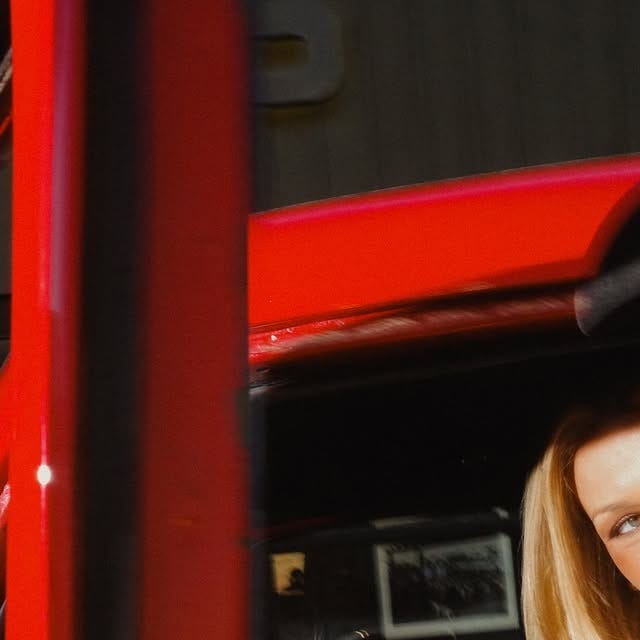
Let’s use my friend Megan Taylor, a photographer in Southern California, as an example: She is one of the best in the world at making the most of direct light. It is her calling card.
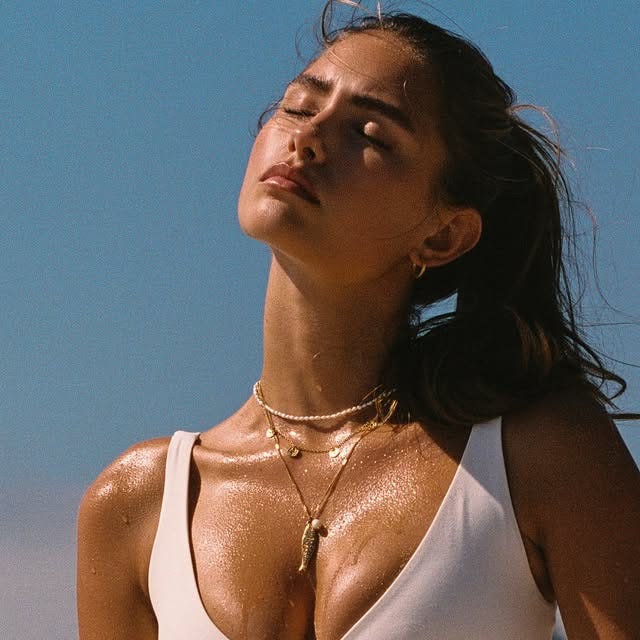
Here her outdoor work is, literally, on a taxicab in London:
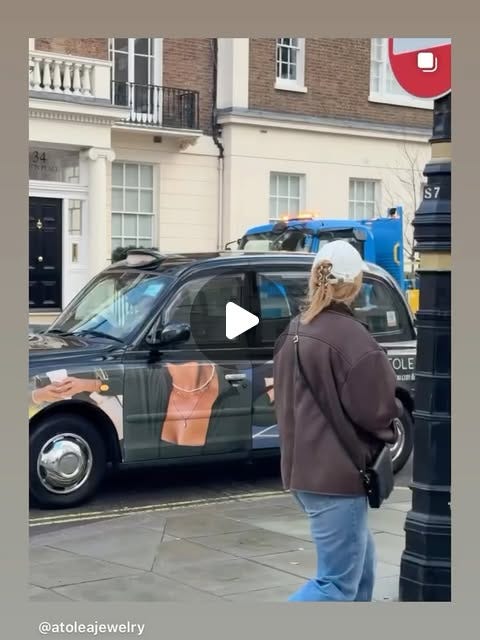
But you know what she’s shooting a bunch of right now? She’s in the studio, trying to work on her game with continuous lights. It’s still sporty, it’s still within her general aesthetic, but she’s not letting herself get boxed in by what most know her for. And the work she’s putting out is wonderful.
Let’s keep going. Jeff Vallee, a tremendous photographer out in New York City, shoots big commercial campaigns for 7-Eleven and Bose:
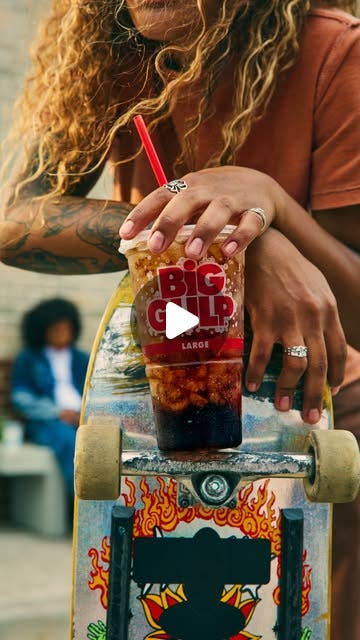
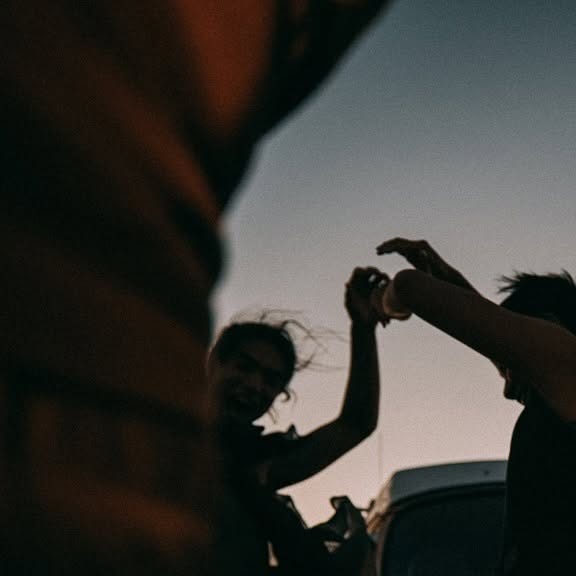
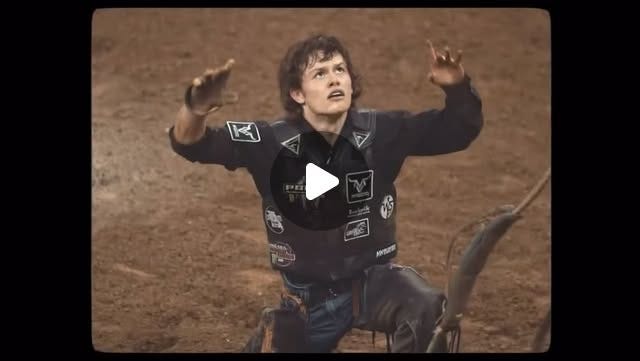
But in between jobs like that, he took the time to go shoot a personal project at a rodeo. I’m not kidding, I felt it was so beautiful, it’s what made me decide to learn how to photograph rodeos:
I’ll go on. Sam Dameshek, one of the world’s most famous fashion photographers, routinely photographs international celebrities on film:
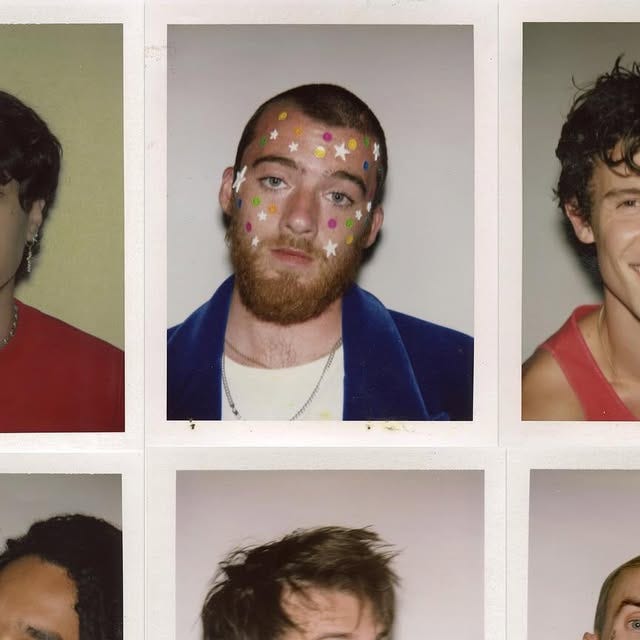
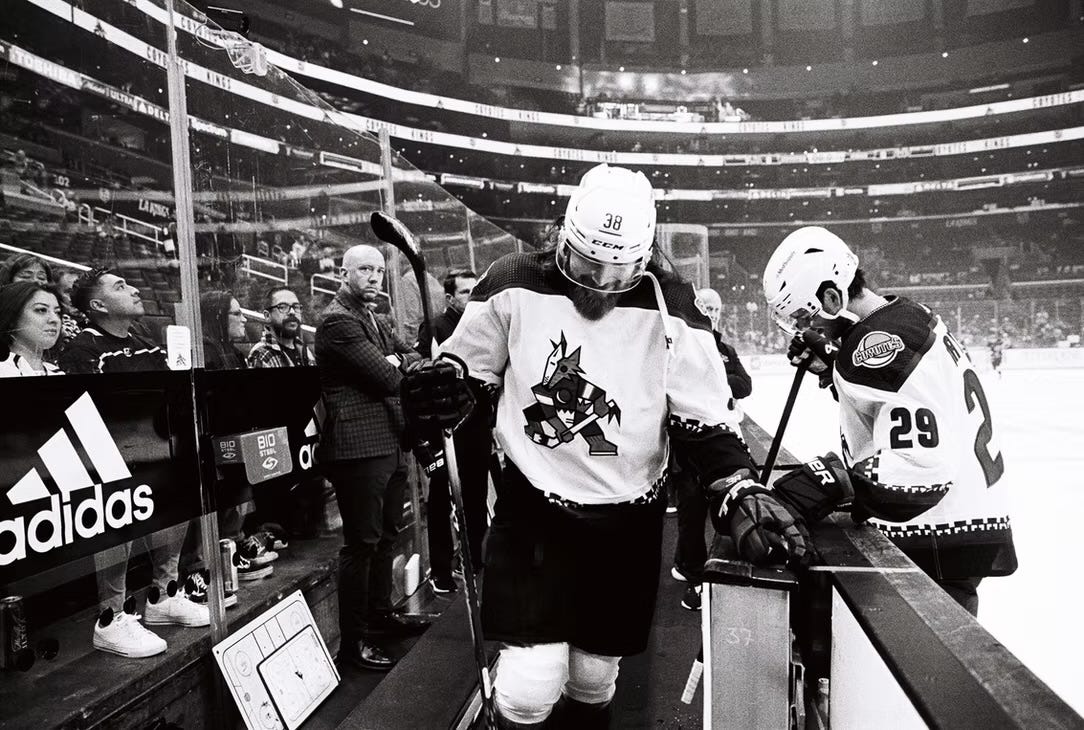
In his spare time, he got backstage access to take pictures of a professional hockey team, shot it all on film, and they were gorgeous. What if he had felt boxed in and didn’t do that? That’s great, fabulous art that would have never made it to the light of day. Sure, his lane is fashion, but he’s a craftsman, and he applied that craft in another way in his own style, and it was sick.
Let’s keep going - Joe Greer, one of the true titans of the photography game, is also a really fast marathon runner and because he’s so familiar with the sport he does a lot of work for brands in that category, like this for Bandit Running:
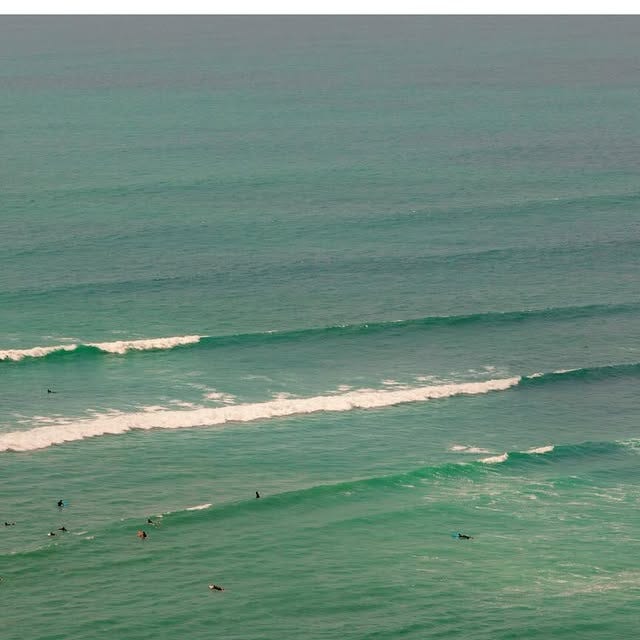
But he isn’t too busy being a running photographer to take pictures of America’s best high school athletes for Gatorade and shoot travel photography for American Airlines:
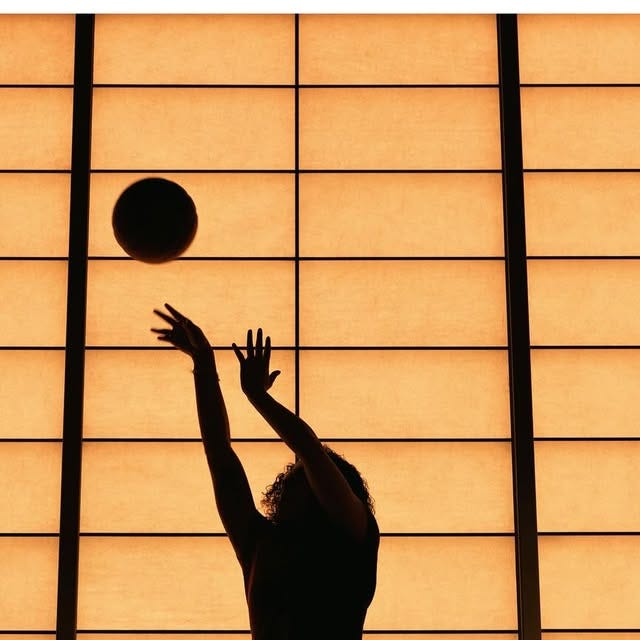
Let’s wrap this up. Focus is often a good thing. If your Instagram feed is family portraits, nightclubs, and birdwatching, that’s probably a trifecta that will guarantee people don’t know what you’re about. If you wanna do it, by all means do it, but it may get in the way of commercial success.
If you’re the type of person who sees life in four corners and is just obsessed with the craft and pursuit of making pictures, you are not alone. There are many, many greats who show up every day with that same energy. Don’t stifle it, and work to find a positioning that allows you to do some of that.
Richard Avedon, one of the most famous advertising photographers of all time, shot for countless big brands. Later in his career, he spent six years on the road taking pictures of people for a series that later became In the American West, a seminal piece of work documenting working class people that still gets shown in museums decades later.
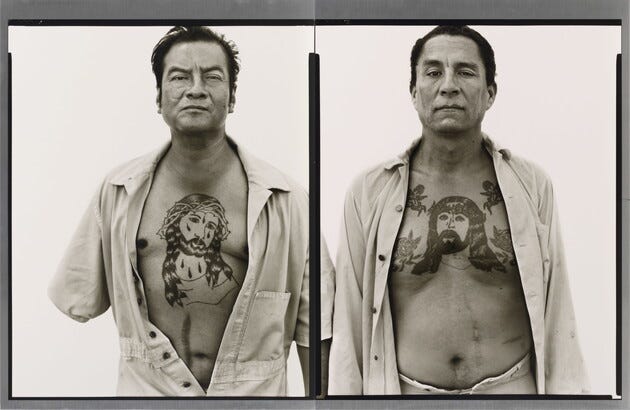
In summary, don’t let the pursuit of a niche become a prison that gets in the way of you making something you want to make. Your path is yours and yours alone. You can take advice all you want, and you get to choose what you keep and what you don’t.
Our time on earth is short and we’re all just a bag of bones. While you’re here, you might as well spend it making the things you want to make and becoming the artist you want to be.
That’s all for today - lemme know with the poll below if you liked this.
Garrett
Free stuff
💡Five free Lightroom presets: LINK
📋Free photoshoot planning template in Notion: LINK (This is a v1 I would love feedback on how to improve it)
🛠️All the cameras + flashes I use: LINK (disclaimer, they’re all affiliate links so I’ll make a small cut)